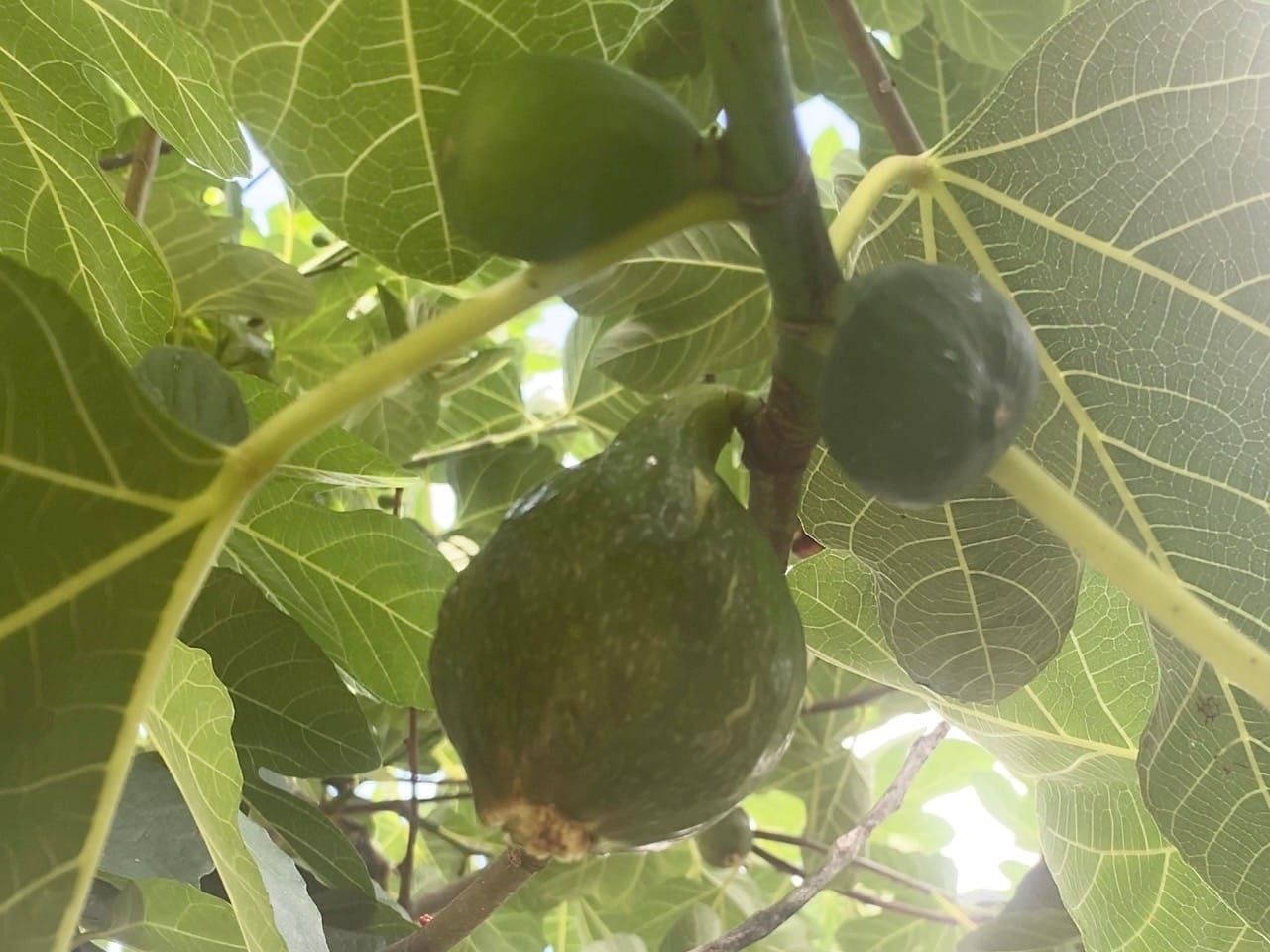
Green figs can be surprisingly difficult to read. Unlike dark varieties that announce ripeness with a dramatic color change, a ripe green fig may still look—rather unhelpfully—green. The better clues are softness, drooping, size, skin texture and how easily the fruit releases from the tree.
The short answer
A green fig is ready to pick when it feels soft, hangs downward instead of standing upright, has swollen to its mature size and separates easily when lifted and bent toward the branch. Its skin may become lighter, thinner or slightly translucent, and the fruit should smell sweet near the opening at its base.
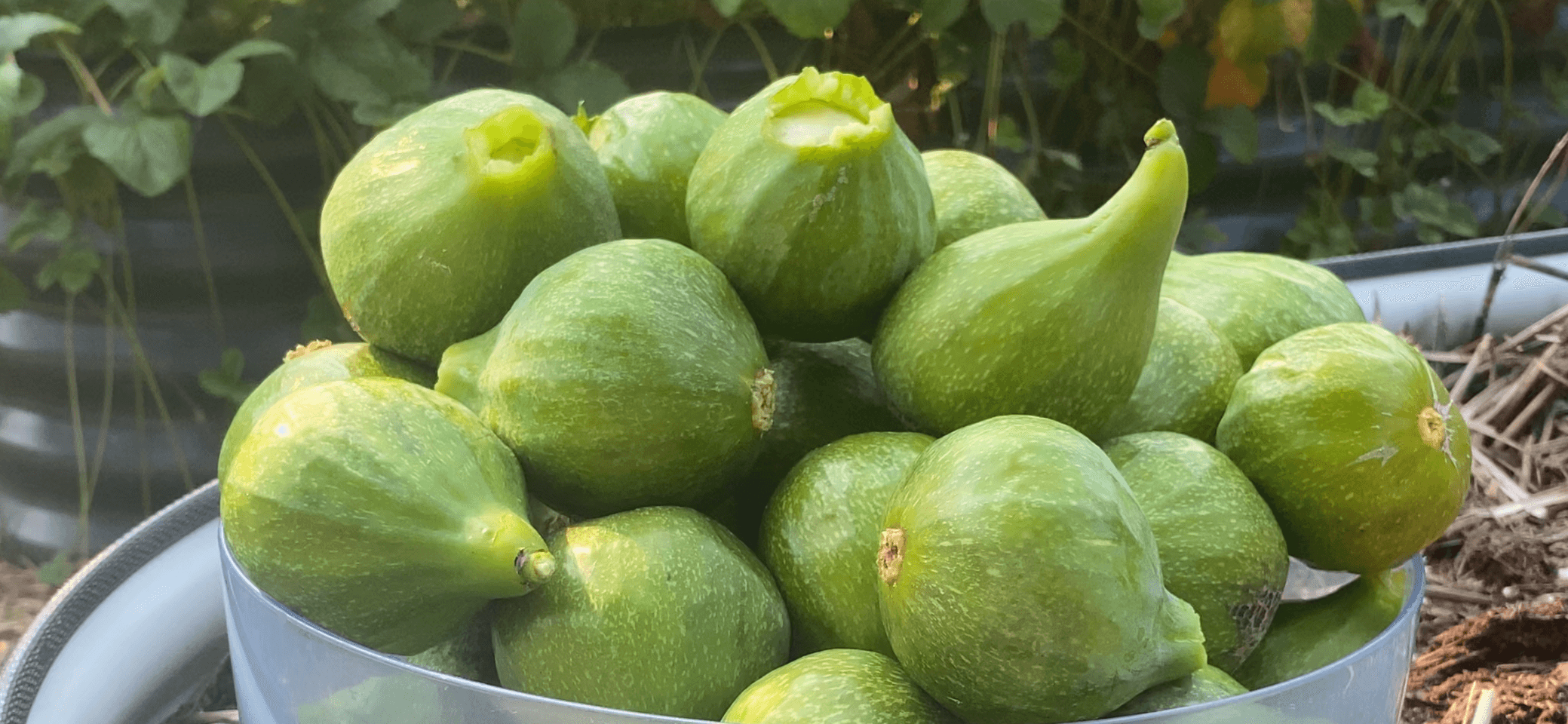
Do not rely on color alone. Some ripe green figs turn yellow-green, while others remain mostly green even when the inside is soft, juicy and fully sweet.
Why green figs are difficult to judge
Most of us learn to judge fruit by color. Red strawberries, purple plums and golden peaches make the job fairly obvious. Green figs refuse to cooperate with that system.
Varieties such as Desert King, White Kadota and Lattarula can have yellowish-green skin at maturity. Depending on the variety, sunlight and growing conditions, the change may be so subtle that waiting for a completely different color leaves the best fruit hanging until it splits, ferments or attracts birds.
This is especially relevant in the maritime Pacific Northwest. Oregon State University Extension recommends several yellowish-green varieties for western Oregon, a climate similar to parts of western Washington. Coastal and waterfront gardens may also have cooler summers, so variety, exposure and accumulated warmth affect when the crop ripens.
Seven signs that a green fig is ripe
-
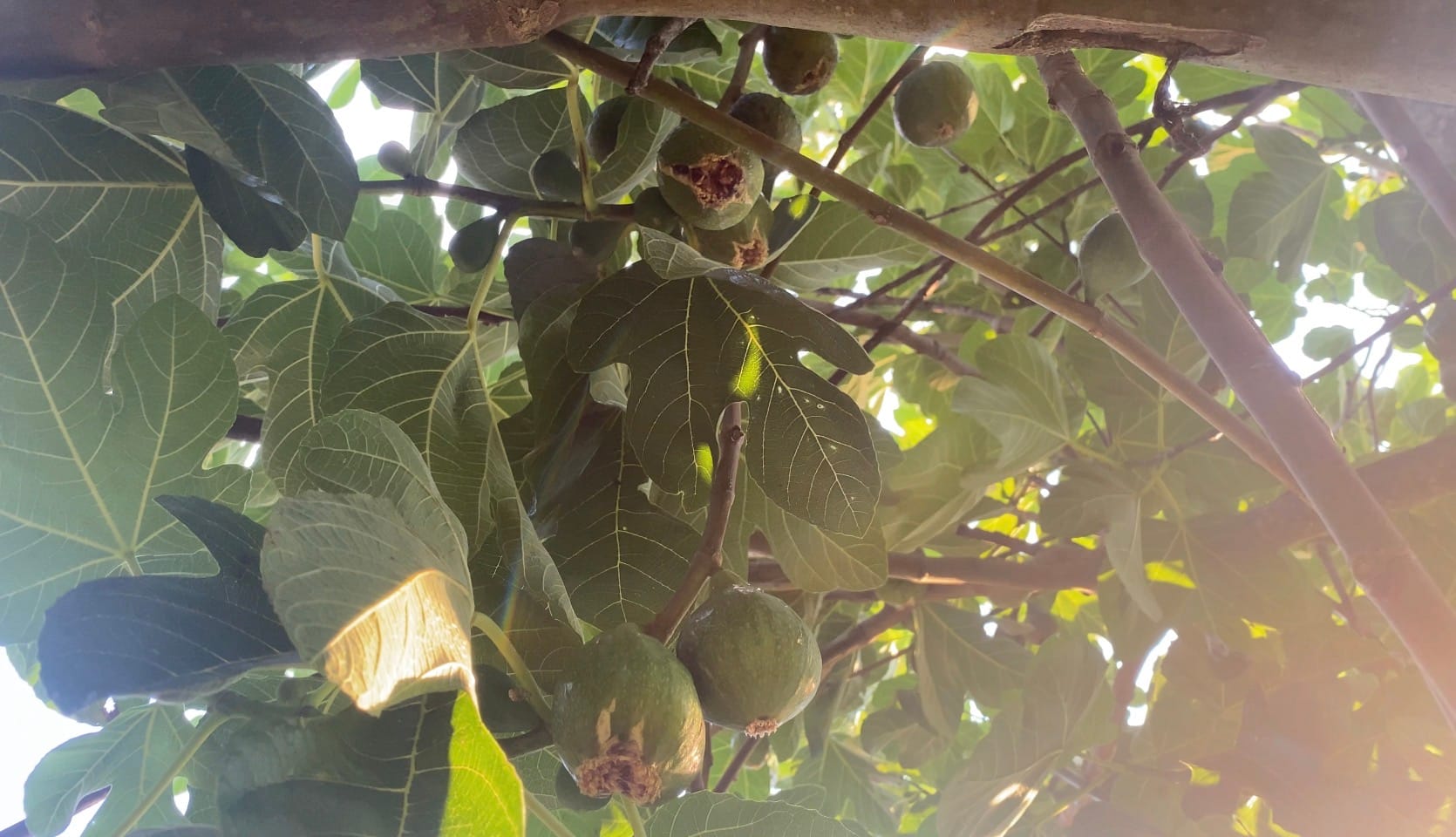
The fig hangs downward
A developing fig often sticks outward or upward from the branch. As it ripens and becomes heavier, its neck softens and the fruit begins to droop. A fully upright fig is usually not ready, even if it appears large.
Look at the angle of the neck rather than the entire branch. A soft, bending neck is one of the most dependable visual clues.
-
It yields to gentle pressure
Lightly cradle the fig between your fingers. A ripe fig should feel soft and tender, similar to a small water balloon with some structure remaining. It should give under gentle pressure without collapsing.
A hard, rubbery fig needs more time. Do not repeatedly squeeze the fruit; figs bruise easily, and yesterday’s “ripeness test” can become tomorrow’s damaged spot.
-
The fruit has swollen
Figs may appear to sit unchanged for weeks and then enlarge quickly near the end of ripening. A ready fig usually looks full and rounded rather than narrow or tight.
Compare it with smaller fruit on the same branch. The difference in width can be more useful than comparing the fig with a ruler or an online photograph.
-
The skin looks thinner or less glossy
Immature green figs often have taut, firm-looking skin. As ripening progresses, the surface may become softer, thinner and less shiny. Fine lines, slight wrinkling or a translucent quality can develop.
These changes should be subtle. Deep collapse, leaking liquid or extensive discoloration may indicate that the fruit is overripe or damaged.
-
The green color becomes lighter
Many green varieties shift from a strong grass green to pale green, yellow-green or green with a warm golden cast. The shaded side may remain greener than the sun-facing side.
This sign is helpful only when combined with softness and drooping. A fig can lighten because of sun exposure or stress without being sweet inside.
-
It smells sweet
Bring your nose close to the ostiole—the small opening at the bottom of the fig. A ripe fig may have a soft, honeyed or fruity scent. An unripe fig usually smells faint or grassy.
A sharp sour, alcoholic or fermented smell means the fruit has likely passed its best stage.
-
It releases with very little resistance
A ripe fig should detach easily when lifted and gently bent back toward the branch. If you must tug, twist hard or pull the branch downward, leave it on the tree.
Easy release confirms the other signs; it should not be used to force-test every firm fig.
Use the lift-and-bend test before picking
Once a fig passes the softness and drooping tests, support it gently in your palm. Lift it slightly, then bend it back toward the branch. A ripe fig should separate with little effort.
This method is preferable to pulling straight down because figs bruise easily and small branches can tear. Hold the fruit itself rather than squeezing its sides.
The three-part ripeness check
- Look: The fruit is swollen and hanging downward.
- Feel: It yields gently, especially around the neck.
- Lift: It releases easily when bent toward the branch.
If the fig passes all three, it is ready for the kitchen—and possibly will not make it that far.
What should a ripe green fig look like inside?
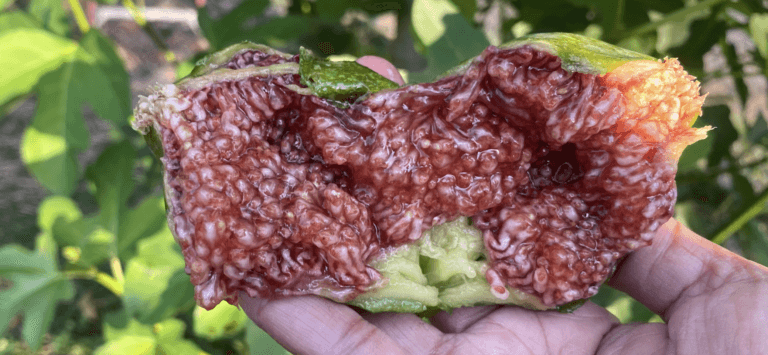
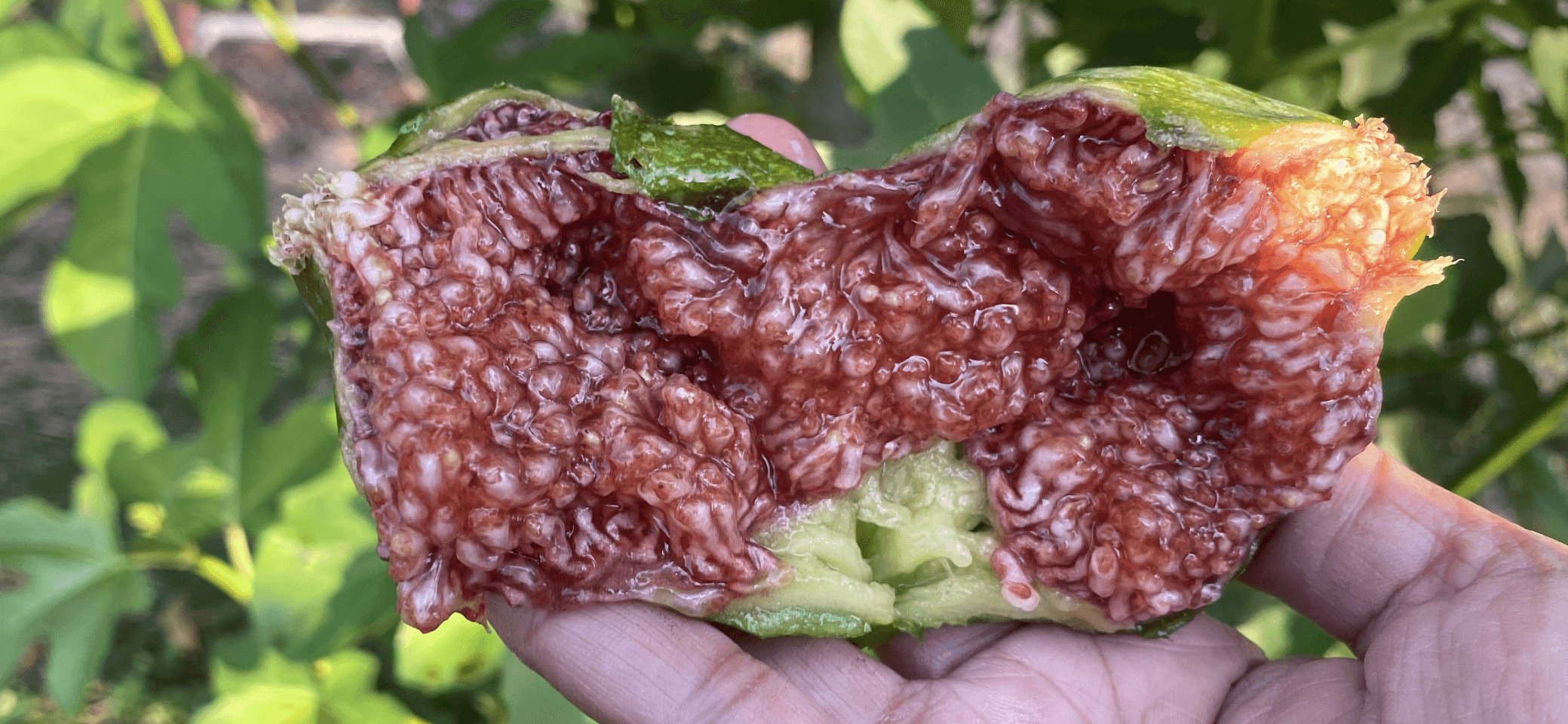
When cut open, a ripe fig should have moist, soft flesh and a richly colored center. Depending on the variety, the interior may be amber, honey-colored, pale pink, strawberry red or deep raspberry.
The pulp should look juicy rather than dry and cottony. The seeds will be visible but should sit in soft flesh rather than a chalky interior. Flavor may range from mild honey to berry-like sweetness.
| Condition | Outside | Inside | Flavor |
|---|---|---|---|
| Unripe | Hard, upright, taut skin | Dry, pale or cottony | Watery, grassy or latex-like |
| Ripe | Soft, swollen and drooping | Moist, jammy and richly colored | Sweet and aromatic |
| Overripe | Collapsing, leaking or badly split | Extremely wet or discolored | Sour, fermented or alcoholic |
How to distinguish an unripe fig from a spoiled fig
Signs that the fig is simply unripe
- The fruit is hard and held upright.
- The neck is stiff.
- The skin looks tight and glossy.
- Milky latex appears when the fruit is removed.
- The inside is pale, dry or cottony.
- The flavor is bland, vegetal or slightly bitter.
Signs that the fig may be spoiled
- It smells sour, fermented or strongly alcoholic.
- Liquid bubbles or leaks from the opening.
- The skin has widespread mold or decay.
- The fruit has collapsed into a wet mass.
- The inside has an unpleasant odor or extensive dark rot.
A small skin split does not automatically mean a fig is spoiled. Ripe fruit may split after rain or inconsistent watering. Inspect the opening and interior, and use damaged figs immediately if they remain clean and fresh-smelling.
Will green figs ripen after you pick them?
Do not count on it. For the best flavor, figs need to ripen on the tree. Fruit picked hard and immature will not develop the same sweetness, soft texture or aroma on the counter.
A nearly ripe fig may soften somewhat after harvest, but softening is not the same as becoming fully sweet. That is why the gentle pressure and drooping tests matter before the fruit comes off the branch.
The old fruit-bowl trick involving a paper bag and a banana is not a rescue plan for a hard green fig. Save that banana for breakfast and give the fig more time on the tree.
Why are my green figs staying hard?
They need more time
According to Penn State Extension, figs can take roughly 90 days from the appearance of small figlets to full ripeness. Progress may seem slow until the final swelling period.
The site is not warm enough
Figs need warmth and sun to ripen well. A shaded, windy or cool position can delay the crop. In coastal climates, Oregon State University recommends choosing early, dependable varieties and using a warm, protected microclimate.
The variety ripens too late for the climate
Some varieties need more accumulated heat or a longer growing season than a cool maritime garden can reliably provide. An early variety such as Desert King is often better suited to cool areas of the Pacific Northwest than a late main-crop variety.
The tree is under water stress
Severe drought can stall fruit development, while sudden heavy watering may split nearly ripe figs. Established trees benefit from deep, consistent watering during dry weather, particularly while fruit is enlarging.
The tree is producing more fruit than it can ripen
A heavily loaded tree in a marginal climate may run out of warm days before every fig matures. Fruit size, timing and crop load can vary from year to year.
The crop was affected by pruning or cold weather
Many fig trees can produce an early breba crop on the previous year’s growth and another crop on new growth. Winter damage or heavy pruning can reduce the early crop. A later crop may not receive enough warmth to ripen in a cool location.
How to harvest ripe figs without bruising them
- Harvest during a dry part of the day.
- Choose figs that are soft, swollen and drooping.
- Support each fruit in your palm.
- Lift and bend it gently toward the branch.
- Place it in a shallow container without stacking deeply.
- Refrigerate promptly unless you are eating or preserving it immediately.
Wear long sleeves or gloves if fig sap irritates your skin. The milky latex from leaves, stems and unripe fruit can be irritating to some people.
How often should you check the tree?
During peak ripening, inspect the tree daily. Figs can move from almost ready to extremely soft surprisingly quickly, particularly during warm weather.
How should fresh figs be stored?
Handle figs as gently as raspberries. Place them in a shallow container and refrigerate them promptly. Do not wash them until shortly before use because added moisture accelerates deterioration.
Use the softest or split fruit first. Firmer, undamaged figs can be reserved for later, but fresh figs are highly perishable and are not built for a long, contemplative stay in the refrigerator.
What to do with ripe green figs
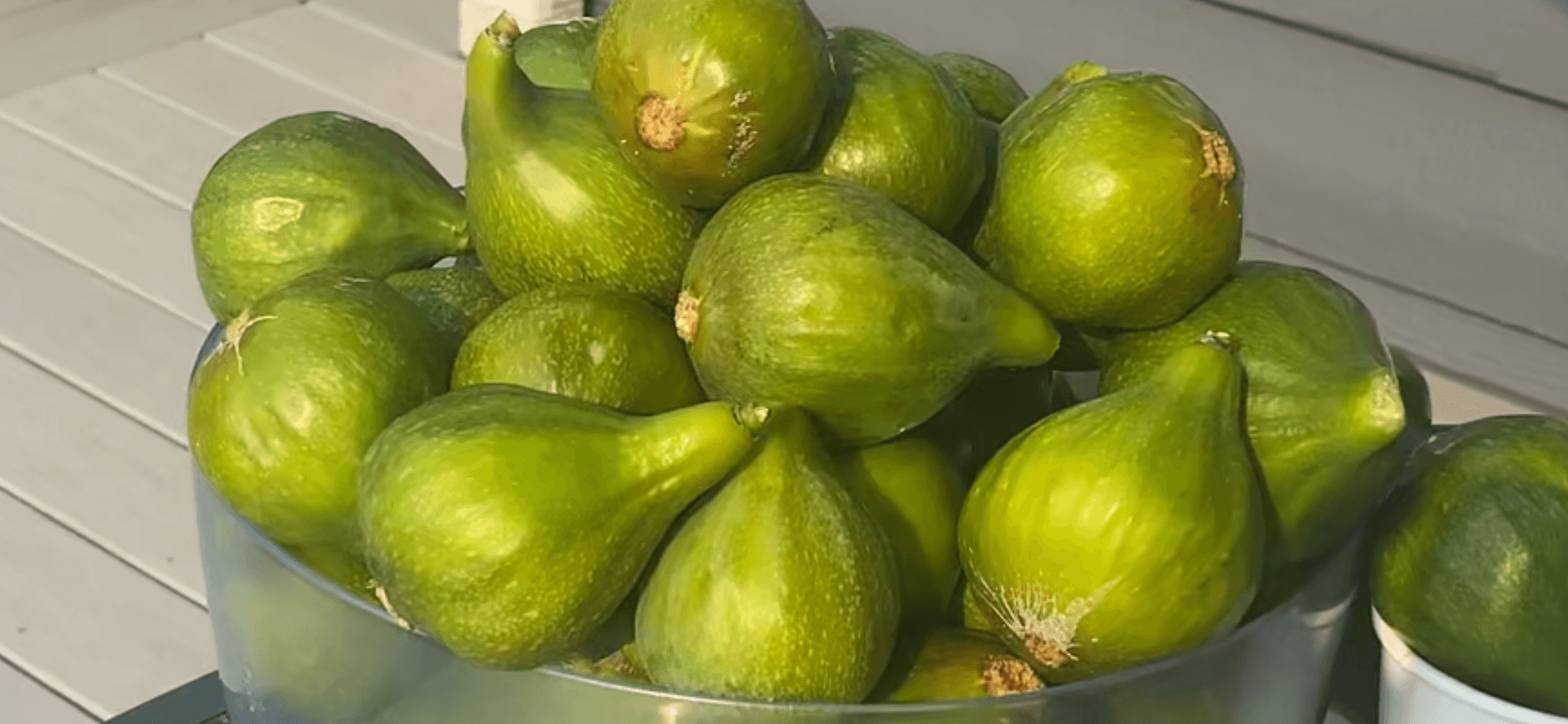
A fully ripe fig needs very little improvement. Eat it fresh, slice it over yogurt or toast, pair it with cheese, or add it to a salad. Larger harvests can be frozen, dried, made into preserves or prepared using a tested canning recipe.
Preservation safety matters. Oregon State University Extension advises using added acid when canning figs and following a tested recipe rather than improvising processing times or ingredients.
Frequently asked questions
Do green figs turn brown or purple when ripe?
Not necessarily. Naturally green fig varieties may remain green, become pale yellow-green or develop a slight golden cast. Softness, drooping and easy release are more reliable than waiting for purple skin.
Can you eat a fig that is still green?
Yes, if it is a ripe green-skinned variety. A hard, immature fig is different: it will usually have an inferior texture and flavor and may release irritating milky latex.
Should ripe figs be soft or firm?
A ripe fig should be soft enough to yield to gentle pressure while still holding its shape. A rock-hard fig is unripe, while a collapsing or sour-smelling fig is overripe or spoiled.
Why is white sap coming from my fig?
Milky latex commonly appears when an unripe fig, leaf or stem is cut. Its presence when picking fruit often means the fig was harvested too early. Avoid getting the sap on your skin or in your eyes.
Why are birds eating my figs before they look ripe?
Birds may detect softening and sweetness before the color change is obvious to us. Check for drooping fruit daily and use properly secured wildlife-safe netting if losses become significant.
When do figs ripen in the Pacific Northwest?
Timing depends on the variety, microclimate and whether the tree produces an early breba crop or a later main crop. Many figs ripen from summer into early fall, but cool coastal conditions may limit later crops.
Know what to plant next
Choose your USDA growing zone and month to create a practical planting list for your own garden.
Open the Free Planting List →