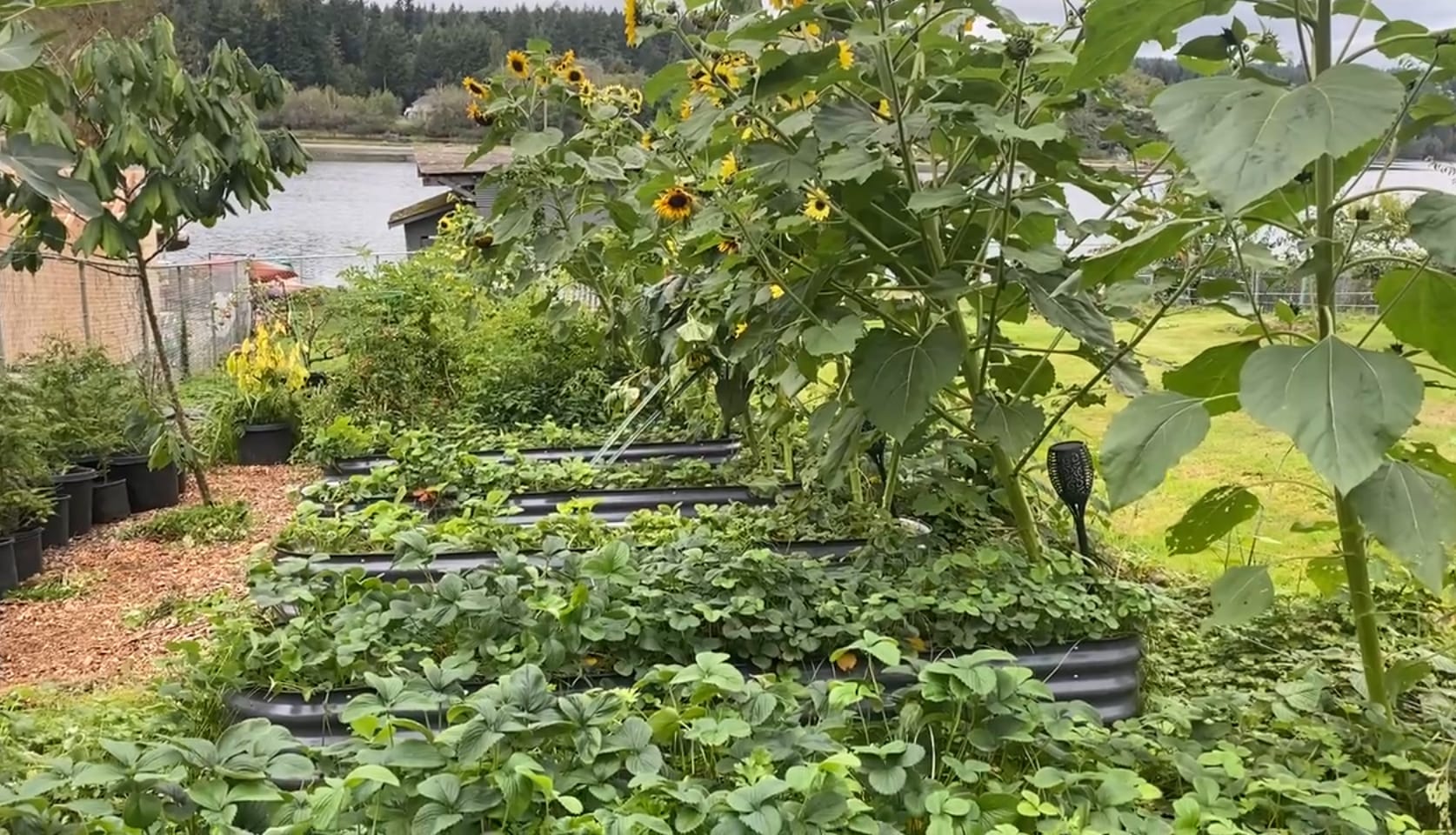
If you are deciding what to plant in September in Zone 8b, this is not the end of your gardening year. It is the transition between seasons: summer crops are still ripening, fast cool-season vegetables can supply fall harvests, hardy greens can settle in for winter, and a few carefully timed plantings will wait quietly for an early spring comeback.
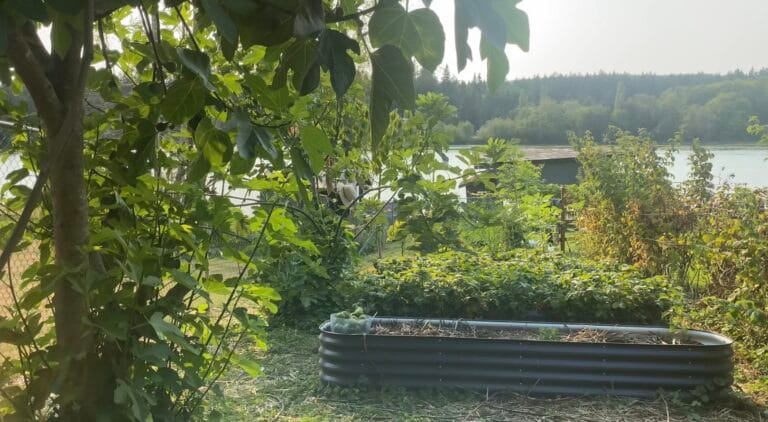
Here in our waterfront garden in Kitsap County, Washington, September also brings shorter days, cooler nights, wind and the return of steady moisture. That changes how we plant. Seeds need good contact with the soil, containers need drainage more than ever, and late crops benefit from the warmest, brightest part of the garden.
First decide which garden you are planting
A September seed packet can produce three very different outcomes. Labeling the goal before sowing keeps a late planting from feeling like a failure when it is actually behaving exactly as a winter crop should.
1. The fall garden
Choose quick crops that can reach baby or full size before growth slows. Radishes, arugula, baby mustard greens and salad turnips are useful here. Check the seed packet’s days to maturity, then add roughly one to two weeks for shortening days and cool soil.
2. The winter garden
These crops may be harvested slowly through winter, especially beneath a cloche, low tunnel or row cover. Mâche, cold-tolerant spinach and winter lettuce are better candidates than heat-loving vegetables. Protection does not create summer; it mainly shields plants from wind, pounding rain and temperature swings.
3. The spring garden planted early
Some September seedlings establish roots and a small leaf canopy, pause during the darkest part of winter, then grow again as daylight returns. Western Washington guidance specifically notes that September-sown spinach can overwinter for an early spring crop.
What to plant in September in Zone 8b
| Crop | How to plant | Primary season | Typical space | Protection |
|---|---|---|---|---|
| Arugula | Direct sow | Fall | 6–8 in. pot depth; 4–6 in. spacing | Light row cover if pests or frost threaten |
| Radish | Direct sow | Fall | 6–8 in. soil depth; thin to 2 in. | Usually optional |
| Salad turnip | Direct sow | Fall | 8–10 in. depth; thin to 3–4 in. | Row cover helps exclude root flies |
| Spinach | Direct sow | Winter/spring | 8–10 in. depth; 3–6 in. spacing | Low tunnel improves winter quality |
| Mâche/corn salad | Direct sow | Winter | 6–8 in. depth; 3–4 in. spacing | Usually hardy; cover eases harvest |
| Winter lettuce | Sow or transplant | Fall/winter | 6–8 in. depth; 6–10 in. spacing | Cloche or low tunnel recommended |
| Mustard greens | Direct sow | Fall | 8–10 in. depth; 4–8 in. spacing | Protect from flea beetles |
| Tatsoi/pak choi | Sow baby greens or transplant | Fall | 8–10 in. depth; 6–10 in. spacing | Insect netting early; frost cloth later |
| Cilantro | Direct sow | Fall | 8–10 in. depth; 4–6 in. spacing | Shelter from hard frost |
| Parsley | Use transplants for speed | Winter/spring | 10–12 in. depth; 8–10 in. spacing | Cover during severe cold |
| Scallions | Direct sow or transplant | Spring/early summer | 6–8 in. depth; 1–2 in. spacing | Optional in mild Zone 8b |
| Garlic | Plant cloves later in fall | Next summer | 8–12 in. depth; 4–6 in. spacing | Mulch after planting |
| Shallots | Plant sets where locally suitable | Next summer | 8–12 in. depth; 6–8 in. spacing | Well-drained soil is essential |
| Crimson clover/rye mix | Broadcast and rake in | Soil-building | Empty bed or open rows | None; terminate before seed set |
Days to maturity vary by cultivar, temperature and daylight. Always use the seed packet as the starting point.
What to plant in September in Zone 8b: detailed crop guide
Arugula Fall harvest
Arugula germinates quickly in cooling soil and develops a milder flavor than it often does in summer heat. Harvest individual outer leaves or cut baby leaves when they are large enough to use.
- Plant
- Direct sow about ¼ inch deep.
- Spacing
- 1 inch for baby leaves; thin to 4–6 inches for larger plants.
- Container
- A window box or pot at least 6–8 inches deep.
- Care
- Keep the top layer evenly moist during germination. Use insect netting if flea beetles are active.
- Harvest
- Often 25–40 days, depending on cultivar and whether harvested as baby leaves.
Radishes Fall harvest
Radishes are one of the safest late-season choices because the common round varieties mature quickly. Avoid long-storage types unless your local season and cultivar allow enough time.
- Plant
- Direct sow ¼–½ inch deep.
- Spacing
- Thin promptly to about 2 inches.
- Container
- At least 6–8 inches deep for round radishes.
- Care
- Water consistently; alternating dry and wet soil can damage root quality.
- Harvest
- Usually about 25–40 days. Pull promptly when roots reach usable size.
Salad turnips Fall harvest
Small Japanese-style salad turnips can provide both tender roots and edible greens. They need more room than radishes but are still practical for September sowing in mild areas.
- Plant
- Direct sow about ¼ inch deep.
- Spacing
- Thin to 3–4 inches.
- Container
- Choose an 8–10-inch-deep pot.
- Care
- Use fine insect netting from sowing if cabbage root fly is a local issue.
- Harvest
- Approximately 35–55 days, cultivar and weather depending.
Spinach Winter or spring
September spinach should not be judged by summer speed. In maritime Zone 8b, it can establish, overwinter and return strongly in early spring. Choose a cold-tolerant cultivar.
- Plant
- Direct sow ½ inch deep in moist, cool soil.
- Spacing
- Start 1–2 inches apart; thin to 3–6 inches.
- Container
- At least 8–10 inches deep, with excellent drainage.
- Care
- Protect from slugs and winter saturation. A low tunnel improves leaf quality.
- Harvest
- Baby leaves in fall if growth allows; otherwise winter or early spring.
Mâche or corn salad Winter harvest
Mâche grows slowly but tolerates cold better than many salad greens. It is valuable precisely when a summer-minded gardener would assume the salad season is over.
- Plant
- Direct sow shallowly, about ¼ inch.
- Spacing
- Thin to 3–4 inches.
- Container
- Shallow planters 6–8 inches deep work well.
- Care
- Keep moist during germination; watch for slugs.
- Harvest
- Cut small rosettes through winter or early spring.
Winter lettuce Fall or winter
Choose cultivars described as winter, cold tolerant or suitable for protected culture. Standard summer lettuce may survive, but a purpose-bred winter cultivar is the better bet.
- Plant
- Direct sow shallowly or set out sturdy transplants.
- Spacing
- 4 inches for leaf harvest; 8–10 inches for small heads.
- Container
- At least 6–8 inches deep.
- Care
- Use a cloche or low tunnel, ventilating on warm sunny days.
- Harvest
- Baby leaves in fall; larger protected plants through winter as growth permits.
Mustard greens Fall harvest
Cool weather moderates mustard’s heat while giving the leaves the conditions they prefer. Sow densely for baby leaves or thin for mature plants.
- Plant
- Direct sow about ¼ inch deep.
- Spacing
- 1–2 inches for baby leaves; 6–8 inches for mature plants.
- Container
- At least 8 inches deep.
- Care
- Protect seedlings from flea beetles; keep soil consistently moist.
- Harvest
- Baby leaves often in 25–35 days; mature leaves later.
Tatsoi and baby pak choi Fall harvest
Asian greens prefer cooler weather, but full-size brassicas planted from seed in late September may not mature before winter. Use fast baby-leaf varieties or healthy transplants.
- Plant
- Direct sow for baby greens; transplant for larger plants.
- Spacing
- 2 inches for baby harvest; 6–10 inches for heads or rosettes.
- Container
- At least 8–10 inches deep.
- Care
- Use insect netting against caterpillars and flea beetles.
- Harvest
- Baby leaves in roughly 25–35 days; mature crops depend heavily on cultivar and weather.
Cilantro Fall harvest
Cilantro bolts quickly in heat, so September can offer a better sowing window. Because it dislikes root disturbance, direct sowing is usually simpler than transplanting.
- Plant
- Direct sow ¼–½ inch deep.
- Spacing
- Thin to 4–6 inches, or sow more densely for young leaves.
- Container
- Use a pot 8–10 inches deep.
- Care
- Maintain even moisture and shelter from severe frost.
- Harvest
- Begin cutting outer leaves when plants are established.
Parsley Winter or spring
Parsley seed is famously patient, which is a charming way of saying slow. In September, nursery transplants give a more dependable start than seed.
- Plant
- Set out transplants at the same depth they grew in the pot.
- Spacing
- 8–10 inches.
- Container
- At least 10–12 inches deep.
- Care
- Keep evenly moist; protect pots during severe freezes.
- Harvest
- Take outer stems after the plant settles in; avoid stripping the center.
Scallions Spring harvest
Scallions can overwinter in mild Zone 8b gardens and resume growth as days lengthen. Choose a hardy cultivar and avoid waterlogged soil.
- Plant
- Direct sow about ¼ inch deep or set out transplants.
- Spacing
- 1–2 inches apart.
- Container
- A planter at least 6–8 inches deep.
- Care
- Keep weeds down; ensure winter drainage.
- Harvest
- Small tops may be cut earlier, with fuller stems in spring.
Kale and hardy brassicas Transplants only
For most Zone 8b gardens, September is late to start full-size kale, broccoli, cabbage or Brussels sprouts from seed. Established transplants may still succeed in a long, mild fall, especially under protection.
- Plant
- Use healthy, locally appropriate transplants.
- Spacing
- Kale 12–18 inches; heading brassicas commonly 18–24 inches.
- Container
- One plant per 5-gallon pot; larger for heading crops.
- Care
- Protect from cabbage worms and slugs. Stake tall plants in windy sites.
- Harvest
- Baby kale earlier; mature harvest depends on transplant size and cultivar.
Prepare now for garlic and shallots
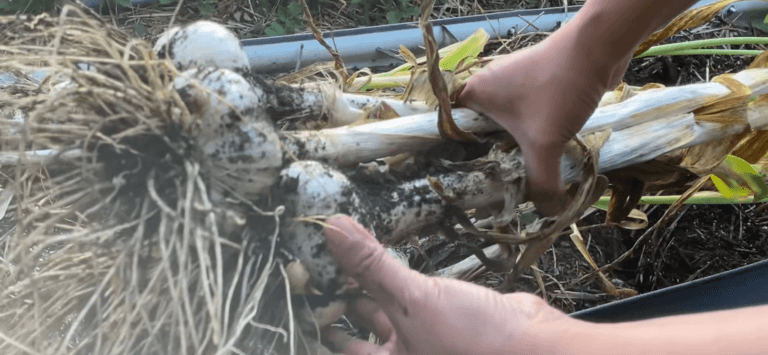
September is often the month to choose garlic, clear its future bed and improve drainage. Actual planting may fall in late September, October or later, depending on local weather and regional recommendations. The goal is root growth before winter without producing excessive tender top growth.
- Choose the sunniest available bed with loose, well-drained soil.
- Do not plant grocery-store garlic of unknown adaptation or treatment; use disease-free seed garlic suited to your region.
- Separate bulbs only when you are ready to plant, keeping the papery skin on each clove.
- Plant cloves pointed end up, usually 2–3 inches deep and 4–6 inches apart; follow the supplier’s cultivar-specific directions.
- Containers should be at least 8–12 inches deep and must drain freely through winter.
- Mulch after planting to moderate temperature and suppress weeds, but avoid trapping water against the cloves.
Flowers, pollinator plants and cover crops
Spring-flowering bulbs
September begins the planting window for daffodils, crocus and other hardy spring bulbs in many climates. Timing depends on local soil temperature. Plant in groups for a stronger visual effect, and choose a container deep enough to hold the bulb beneath the recommended planting depth with drainage below it.
Cover crops for empty beds
An empty bed does not have to spend winter bare. Cover crops reduce erosion, compete with weeds and hold nutrients. In western Washington, extension guidance recommends establishing winter cover crops by about mid-September; nearby maritime regions commonly advise September or early October before soil becomes too cold and wet.
- Crimson clover: a legume that can contribute nitrogen after proper termination and decomposition.
- Cereal rye: dependable winter cover and abundant biomass, but it must be managed before seed set.
- Winter peas or vetch: legumes often used in mixtures; choose a type recommended locally.
- Mixed cover crop: combines the soil coverage of grains with the benefits of legumes.
Rake seed into the surface for good soil contact, water until established and plan now for spring termination. Cut or incorporate it before seed set and allow time for residue to break down before planting vegetables.
What to plant in September in Zone 8b by growing space
Raised beds
Raised beds are especially useful in wet maritime winters because they drain and warm faster than surrounding ground. Pull only finished or diseased summer crops; productive tomatoes, beans or squash can remain while quick greens are sown in open pockets. Avoid walking or kneeling on the growing soil.
Containers and balconies
Use containers with open drainage holes, a quality potting mix and enough depth for the selected crop. A wide window box can produce more salad than one oversized decorative pot. Cluster containers near a sheltered wall for wind protection without blocking light. Because exposed pots cool faster than garden soil, move them together or wrap the outside during severe cold.
In-ground gardens
Choose the brightest, best-drained portion of the plot. If soil remains puddled after rain, do not improve it by digging while saturated—that damages structure. Use defined paths, add finished compost to the surface and consider slightly raised rows.
September soil preparation and crop care
Good drainage and a fine seedbed are part of deciding what to plant in September in Zone 8b. Prepare only the areas you will actually sow, and avoid disturbing productive summer crops that still have time to ripen.
- Remove the right plants. Pull diseased material and truly finished annual crops. Keep healthy plants that are still producing.
- Check drainage before fertility. In a wet Zone 8b winter, roots can fail from saturated soil even when nutrients are adequate.
- Use finished compost modestly. Spread about 1–2 inches where organic matter is needed and blend lightly into the top layer. Do not bury uncomposted material beneath seedlings.
- Test instead of guessing. Most vegetables prefer mildly acidic to near-neutral soil, commonly around pH 6.0–6.8, but amend lime and nutrients according to a soil test rather than habit.
- Make a fine seedbed. Break surface clods and remove thick roots or debris. Small fall seeds need close contact with moist soil.
- Water for establishment. Keep newly sown rows consistently moist, then reduce watering as rainfall returns. Never leave containers standing in water.
- Protect intelligently. Insect netting excludes pests; frost cloth buffers cold; clear plastic blocks rain and warms air. They are different tools. Vent plastic covers on sunny days.
- Prepare for slugs. Reduce hiding places, inspect under boards and pots, and check seedlings in the evening or early morning.
- Mulch around established plants. Keep mulch away from seed rows until seedlings emerge and avoid burying crowns.
- Label everything. Record crop, cultivar and sowing date. September seedlings have a talent for looking mysteriously identical by October.
Not in Zone 8b? Adjust September planting this way
This guide focuses on what to plant in September in Zone 8b, but gardeners in other zones can use the expandable adjustments below as a starting point. Check your local extension calendar and first-frost date because a hardiness zone cannot replace local timing.
Zones 3–4: winter arrives early
Prioritize harvest, bed cleanup, soil protection and spring-flowering bulbs. Direct sowing vegetables outdoors is usually limited by early frost and shrinking daylight. Use cold frames or indoor growing for greens, plant cover crops only if they still have time to establish, and prepare garlic beds according to local extension timing.
Zones 5–6: short fall window
Early September may still allow radishes, arugula, baby greens and spinach for overwintering with protection. Move quickly, choose fast cultivars and use row cover. Plant garlic and bulbs according to local soil-temperature guidance.
Zone 7: productive fall with protection
Sow fast roots and greens, establish spinach and winter lettuce, and use transplants for larger brassicas. Prepare garlic beds and protect young crops as frost approaches.
Zone 8: mild winter, but region matters
Maritime Zone 8 can be cool and wet while inland or southern Zone 8 may remain hot and dry. Sow quick greens and roots, establish overwintering crops, plant cover crops early, and manage drainage. In hotter regions, shade cloth and careful irrigation may still be necessary.
Zone 9: fall planting season begins
As extreme heat eases, sow or transplant a wider range of cool-season crops, including lettuce, brassicas, roots and herbs. Exact timing depends on whether September temperatures have actually cooled; heat-tolerant varieties and temporary shade may still be useful.
Zones 10–11: treat September as warm-season transition
Do not copy a Pacific Northwest Zone 8b calendar. In warm climates, September may remain too hot for reliable cool-season germination. Begin heat-tolerant greens or start cool-season transplants under protection, following local tropical or subtropical extension guidance.
What to plant in September in Zone 8b: printable checklist
Garden: ____________________ Year: __________ Expected first frost: __________
Plan before planting
Prepare soil and containers
Sow for fall harvest
Plant for winter or early spring
Prepare for garlic, bulbs and cover crops
Protect and maintain
Notes:
____________________________________________________________
____________________________________________________________
Questions about what to plant in September in Zone 8b
Is September too late to plant vegetables in Zone 8b?
No, but it is too late for many warm-season crops and for slow vegetables started from seed. Choose quick greens and roots for fall, hardy crops for winter, or crops meant to overwinter for spring.
Can I plant broccoli in September in Zone 8b?
A sturdy transplant may succeed where autumn remains mild, but starting full-size broccoli from seed in September is often too late. Timing varies widely between maritime, inland and southern Zone 8b climates.
Can I grow a September garden on a balcony?
Yes. Arugula, radishes, mâche, winter lettuce, spinach, cilantro and scallions fit well in containers. Use adequate soil depth, open drainage holes, consistent moisture and the brightest location available.
Should I fertilize the whole garden in September?
Not automatically. Add nutrients according to crop needs and a soil test. Excess fertilizer can leach during wet weather and does not compensate for poor drainage, low light or incorrect timing.
What should I do with an empty raised bed?
Plant a winter crop, sow a locally suitable cover crop, or protect the surface with organic mulch. Avoid leaving workable soil bare through heavy winter rain.
Once you know what to plant in September in Zone 8b, record the crop, cultivar, sowing date and intended harvest season. Those notes will make next September’s plan faster and more accurate for your own microclimate.
Keep planning beyond September
Build a planting list for your zone and month.
Use the Garden & Pantry Interactive Planting List for immediate guidance, then print the results for your garden notebook.
Research and regional references
- WSU Extension: Fall and Winter Vegetable Gardens for Western Washington
- WSU Extension: Pacific Northwest Gardeners Handbook—Vegetable Gardening
- Oregon State University Extension: September Garden Calendar
- OSU Extension: Winter Vegetable Production West of the Cascades
- OSU Extension: Cover Crops Improve Soil and Support Pollinators
- OSU Extension: Vegetable Gardening in Oregon